Get Chimney Birds Removal in Monmouth County, NJ
Chimney birds removal services for Monmouth County homeowners address nesting and pest problems by safely removing birds and debris from chimneys, vents, and attics with local contractors' expertise.
Property owners in Monmouth County, NJ, who notice birds nesting or roosting around their chimneys may find it beneficial to explore professional removal options. Birds can sometimes create challenges such as blockages, debris buildup, or potential damage to chimney structures. Addressing these issues promptly can help maintain the functionality and safety of a property’s chimney system, especially in areas where local wildlife activity is common. By considering experienced service providers in the area, property owners can compare available solutions and select the most suitable approach for their needs.
This is a practical step for those planning property maintenance or improvement projects in Monmouth County. Local contractors specializing in bird removal from chimneys can offer tailored services to help manage bird populations and prevent future concerns. Continuing to explore your options ensures that the work aligns with your property’s specific circumstances, making it easier to find a solution that fits your property’s needs and your long-term property management goals.
- Bird Removal - when birds like chimney swifts or sparrows nest inside chimneys and cause blockages.
- Chimney Cleaning - to remove bird nests, debris, and droppings that can obstruct proper venting.
- Pest Control - if chimney birds have attracted other pests or left behind nesting materials.
- Bird Deterrent Installation - to prevent future bird entry and nesting in chimneys of homes in neighborhoods like Red Bank or Asbury Park.
- Chimney Inspection - when signs of bird activity or nesting are visible around the chimney area.
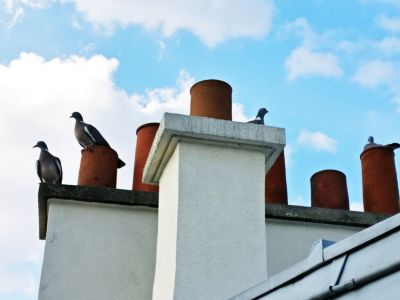
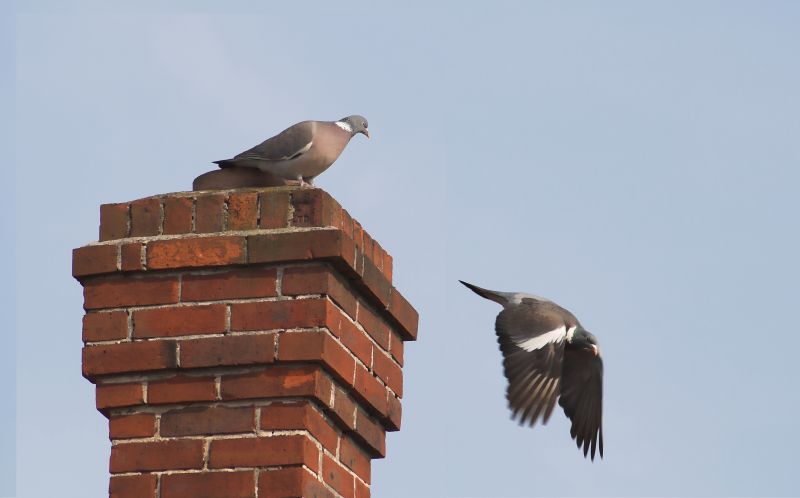
Chimney birds removal services involve the safe and effective removal of birds that have taken up residence inside or around a chimney. These service providers use specialized techniques to carefully access the chimney and remove nests, eggs, and the birds themselves, ensuring that the property remains undamaged. In addition to removal, these pros often implement measures to prevent future nesting, such as installing bird deterrents or barriers. This service is essential for homeowners who notice bird activity in their chimneys, such as chirping sounds, nesting materials, or droppings, which can indicate an active bird presence.
This service helps resolve a variety of common problems associated with chimney bird infestations. Birds nesting inside chimneys can cause blockages that interfere with proper ventilation and venting of smoke and gases from fireplaces or heating systems. Over time, accumulated nests and droppings can lead to unpleasant odors, corrosion, or even fire hazards if flammable materials are involved. Additionally, bird droppings can pose health risks due to the potential presence of parasites or bacteria. Addressing these issues promptly with professional removal services helps maintain the safety, functionality, and cleanliness of the property.
Chimney birds removal is often sought for residential properties, especially those with older or unused chimneys, as well as homes with accessible outdoor fireplaces or wood stoves. Commercial properties, such as restaurants with outdoor cooking areas or historic buildings with decorative chimneys, may also require these services. Any property where birds are actively nesting or roosting near or inside the chimney can benefit from professional removal. These services are tailored to ensure that the property’s structure remains intact and that the nesting sites are properly cleared to prevent recurring problems.
Homeowners experiencing bird activity around their chimneys should consider professional chimney birds removal services to address the issue effectively. Recognizing signs like bird droppings, nesting materials, or persistent chirping can help determine when this service is needed. By connecting with experienced local contractors, property owners can ensure that the removal process is handled safely and efficiently. Properly addressing bird infestations not only restores the chimney’s functionality but also helps prevent potential damage and health concerns, making it a practical step for maintaining a safe and comfortable home environment.
The overview below groups typical Chimney Birds Removal projects into broad ranges so you can see how smaller, mid-sized, and larger jobs often compare in Monmouth County, NJ.
In many markets, a large share of routine jobs stays in the lower and middle ranges, while only a smaller percentage of projects moves into the highest bands when the work is more complex or site conditions are harder than average.
Smaller Repairs - Typical costs for routine bird removal from chimneys usually range from $250-$600. Many common jobs fall within this middle range, covering basic bird exclusion and cleanup. Larger or more complex projects can occasionally exceed this range.
Moderate Removal Services - For more extensive bird infestations or partial chimney repairs, local contractors generally charge between $600-$1,200. These projects often involve additional cleanup or minor structural work, which can increase costs.
Full Chimney Bird Exclusion - Complete exclusion services, including installation of bird-proofing and sealing, tend to cost between $1,200-$2,500. Many projects in this tier are standard, but more involved cases may push costs higher.
Full Replacement or Major Repairs - Larger, more complex projects such as replacing damaged chimney components or extensive bird damage repairs can reach $3,000 or more. These are less common and typically reserved for severe infestations or structural issues.
Actual totals will depend on details like access to the work area, the scope of the project, and the materials selected, so use these as general starting points rather than exact figures.
Bird exclusion and nesting prevention - local contractors can install barriers and deterrents to prevent birds from nesting in chimneys, similar to removing existing bird infestations.
Chimney cap installation and repair - experts can fit or fix chimney caps to block entry points for birds and other pests, requiring similar planning and tools.
Roof and vent sealing services - professionals can seal gaps around roof vents and chimney flashing to prevent bird entry, paralleling the sealing work in bird removal projects.
Pest exclusion and wildlife control - service providers can handle removal of various pests and implement exclusion measures, sharing techniques used in bird removal.
Attic and vent cleaning services - cleaning and inspecting attics and vents to remove nesting debris is related to chimney bird removal efforts.
Storm damage repair for chimneys - repairing damaged chimney structures to prevent pest entry involves similar assessment and repair skills as bird exclusion work.
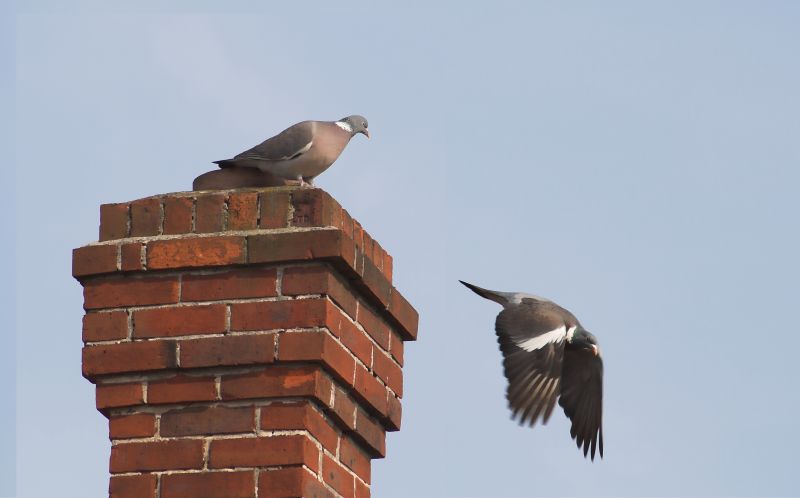
When comparing contractors for chimney bird removal services in Monmouth County, it’s important to consider their experience with similar projects. Homeowners should inquire about how long a service provider has been handling bird removal around chimneys and whether they have successfully addressed situations comparable to their own. A contractor with relevant experience is more likely to understand the nuances of bird behavior, nesting habits, and the best methods to safely and effectively resolve the issue. This background can provide confidence that the chosen professional is knowledgeable about the specifics of chimney bird removal and can deliver results that meet expectations.
Clear, written expectations are essential when evaluating local service providers. Homeowners should seek detailed descriptions of the scope of work, including what methods will be used, what areas will be addressed, and any follow-up procedures. Having this information in writing helps ensure everyone is on the same page and reduces the chance of misunderstandings. Service providers who communicate their process transparently demonstrate professionalism and a commitment to customer clarity. It’s also helpful to ask if the contractor can provide reputable references from previous clients who had similar bird removal needs, as this can offer insights into the quality and reliability of their work.
Effective communication is a key factor in choosing a suitable chimney bird removal specialist. Homeowners should look for providers who are responsive, willing to answer questions, and able to explain their approach in understandable terms. Good communication fosters trust and makes it easier to address concerns or adjustments along the way. Remember that this site serves as a resource to connect homeowners with local contractors who can handle the project, not to perform the work directly. By focusing on experience, clarity of expectations, reputable references, and open communication, homeowners can make more informed decisions when selecting a professional for chimney bird removal services in their area.
Property owners in Monmouth County, NJ use Chimney Birds Removal services for practical projects around their homes and businesses. This guide focuses on everyday jobs and straightforward project options.
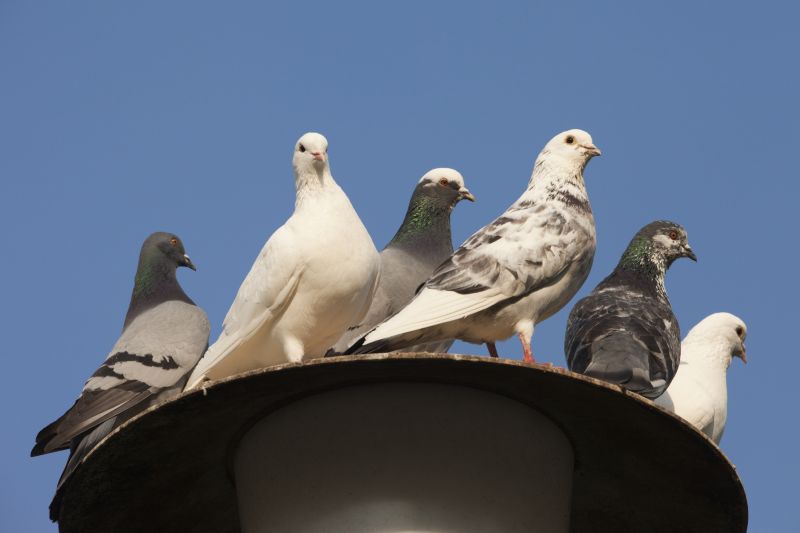
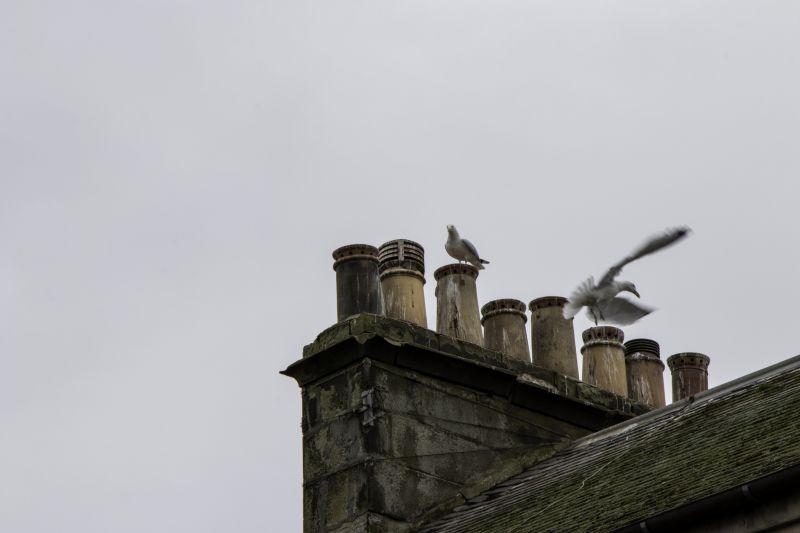
Chimney birds, such as chimney swifts or sparrows, often find their way into residential and commercial chimneys in Monmouth County, NJ. Property owners may seek bird removal services when nests, droppings, or the presence of birds cause blockages, unpleasant odors, or potential fire hazards. These situations can be particularly common during certain seasons when birds are nesting, prompting the need for professional assistance to safely and effectively remove the birds and their nests.
In addition, property owners might look for chimney birds removal services if they notice signs of bird activity near vents or chimneys, including debris buildup or unusual noises. Local contractors experienced in bird removal can help prevent future nesting, reduce messes, and maintain proper chimney function. Connecting with these service providers can ensure that the issue is handled efficiently, keeping properties safe and clean.
Why do birds tend to nest in chimneys? Birds often seek sheltered spots for nesting, and chimneys provide a safe, elevated environment that offers protection from predators and weather conditions.
How can I tell if birds are nesting in my chimney? Signs include bird activity around the chimney, debris or nesting materials visible inside the chimney opening, and sounds of birds or chirping from within.
Are chimney birds removal services safe for my home? Yes, professional service providers use methods designed to safely remove birds and their nests without damaging the chimney or surrounding structures.
What methods do local contractors use to remove birds from chimneys? They typically employ humane removal techniques, such as bird exclusion devices and nest removal, to prevent future nesting in chimneys.
Can chimney bird removal prevent future nesting? Yes, many service providers install deterrents and exclusion measures to help reduce the likelihood of birds nesting in the chimney again.
Preventing Bird Nest Blockages - Property owners can have local contractors remove birds from chimneys to prevent blockages that may affect heating efficiency.
Maintaining Chimney Ventilation - Regular bird removal services help ensure proper airflow and reduce the risk of smoke or carbon monoxide buildup.
Protecting Fireplace Safety - Removing birds from chimneys can help avoid fire hazards caused by nesting materials or accumulated debris.
Preserving Chimney Structure - Professional bird removal can prevent damage to chimney liners and masonry caused by nesting activity.
If you are thinking about Chimney Birds Removal for a property in Monmouth County, NJ, this guide is meant to help you understand the work, the typical project types, and how different options might fit your plans.
When you are ready, you can use the quote form on this page to share a few details about your project. From there, local pros can review the basics and respond with options that match what you have in mind.